selling guide
Reviewed by the OnCall Home Inspections team · Updated November 18, 2026
Before you list, check your smoke and CO detectors. A few simple tests can prevent inspection red flags and keep your sale moving forward.
See It For Yourself
What does a real inspection report look like?
Browse three full sample inspection reports — real findings, real photos, real language. No fluff.
The smoke detector checklist for Minnesota sellers
A home in good order is what buyers and inspectors see when they encounter working smoke and carbon monoxide detectors. Such a small thing serves as instant evidence of an owner who is safety minded, whereas a detector that fails to function creates an unnecessary obstacle to closing on the sale.
Key takeaways
- In terms of home health, few things remain as apparent as a safety device.
- Life safety drives the residential code in Minnesota.
- Take a walk-through and run the numbers.
The Case for Smoke and CO Detectors
In terms of home health, few things remain as apparent as a safety device. Inspectors test these units during every buyer inspection. A unit with a low battery or one that is simply not present appears as a red flag on the report. Take care of these items before you list to deny buyers grounds for haggling over repairs or questioning the maintenance of the property.
Getting the Placement Right
Life safety drives the residential code in Minnesota. Put a smoke detector in each bedroom and the hallways beyond them. Install at least one on every floor, basement included.
Rules for carbon monoxide mirror these guidelines; install them in all hallways outside of sleeping quarters. Should the home feature an attached garage or fuel-burning equipment like a furnace or water heater, place a CO detector within 10 feet of the bedroom doors. Check with your municipality, as local stipulations may go further than state requirements.
What Sellers Should Do
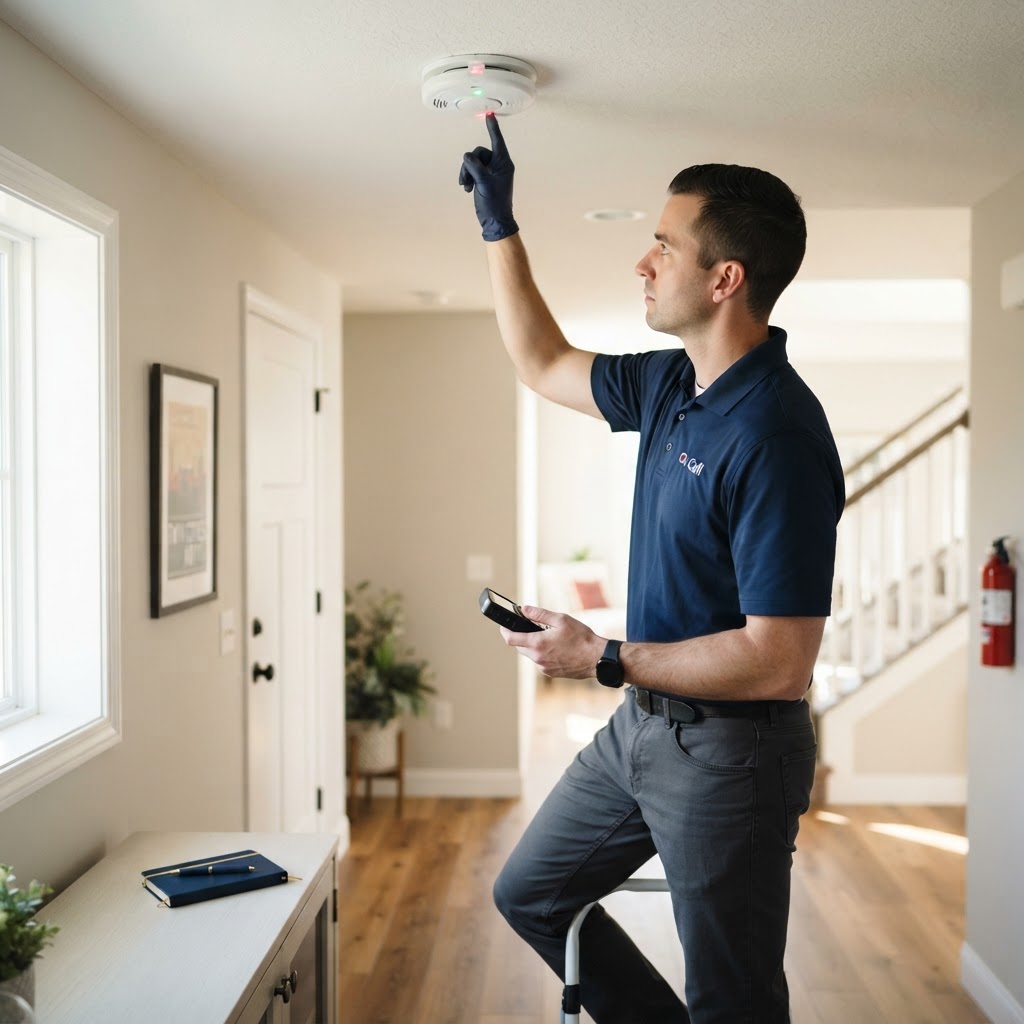
Take a walk-through and run the numbers. Press the test button to ensure the alarm sounds. If the siren fails to activate at once, install a new battery.
Examine the date of manufacture on the back of the device. Ten years is the norm for a smoke detector lifespan, while CO detectors typically last 5 or 7 years. Discard any unit missing a date or past its prime. This applies to hard-wired systems too; replace the whole unit if the sensor expires or the test fails.
Some Documentation
Keep a file on your maintenance work. Store receipts from any new batteries or units in your home improvement folder. An agent can present this record as proof of a proactively cared for home that meets current standards, which saves time for everyone involved.
What people ask
Is a replacement called for even if they still give a beep?
Yes, if the expiration date set by the maker has passed. The sensitivity of the sensor diminishes with age, regardless of the battery status.
Are dual-sensor models acceptable?
Yes, they are. Ensure you install them according to the manufacturer instructions for adequate coverage.
What about hard-wired units?
Those contain a battery backup. See to it that batteries remain fresh and the power is connected, but leave the wiring alone.
What is the legal minimum?
Local ordinance and home layout dictate the specific requirements. As a general rule, place one in each bedroom, one on every level including the basement, and another in the hallway.
How do I get in touch with OnCall Home Inspections?
There are a few ways to reach us. You can look over our website, book an inspection online, or send a message through our contact page. The fastest way is to call or text us at (763) 225-1250. Someone from OnCall Inspections will help you pick the right inspection, check our schedule, and answer any questions about your report.
A pre-listing inspection gives you a clear idea of the home standing before buyers arrive. For a consultation and to ensure your property is noticed for the right reasons, get in touch with OnCall Home Inspections.
Inspections are visual and non-invasive, limited to accessible areas at the time of the inspection. Findings reflect observed conditions and are not a guarantee of future performance or full code compliance.
Have a question? Call or text us.
Our team can help you pick the right inspection, check scheduling, or answer questions about your report. One call covers your whole transaction.