selling guide
Reviewed by the OnCall Home Inspections team · Updated November 18, 2026
Unexpected inspection findings can stall your home sale. Learn how to prevent buyer renegotiation and keep your deal on track with these seller-focused strategies.
See It For Yourself
What does a real inspection report look like?
Browse three full sample inspection reports — real findings, real photos, real language. No fluff.
How to Reduce Buyer Renegotiation After Inspection
Deals rarely fall apart because of the state of a home. Fear and uncertainty during the inspection window cause more transaction failures than any physical defect.
Predictability is your advantage. By removing surprises, you keep buyers focused on the purchase rather than the repair list.
Key takeaways
- Buyers enter the inspection phase with high anxiety.
- Buyers often forgo repair requests if they sense the home is well-maintained and you are transparent.
- Focus your budget on high-impact items that scare buyers, such as roofing in poor shape, active water leaks, or electrical panel issues.
The Inspection as a Catalyst for Renegotiation
Buyers enter the inspection phase with high anxiety. Unforeseen defects make them afraid of the unknown, and they quickly view their initial offer as a liability rather than a fair market value.
Get Ahead of Any Surprises
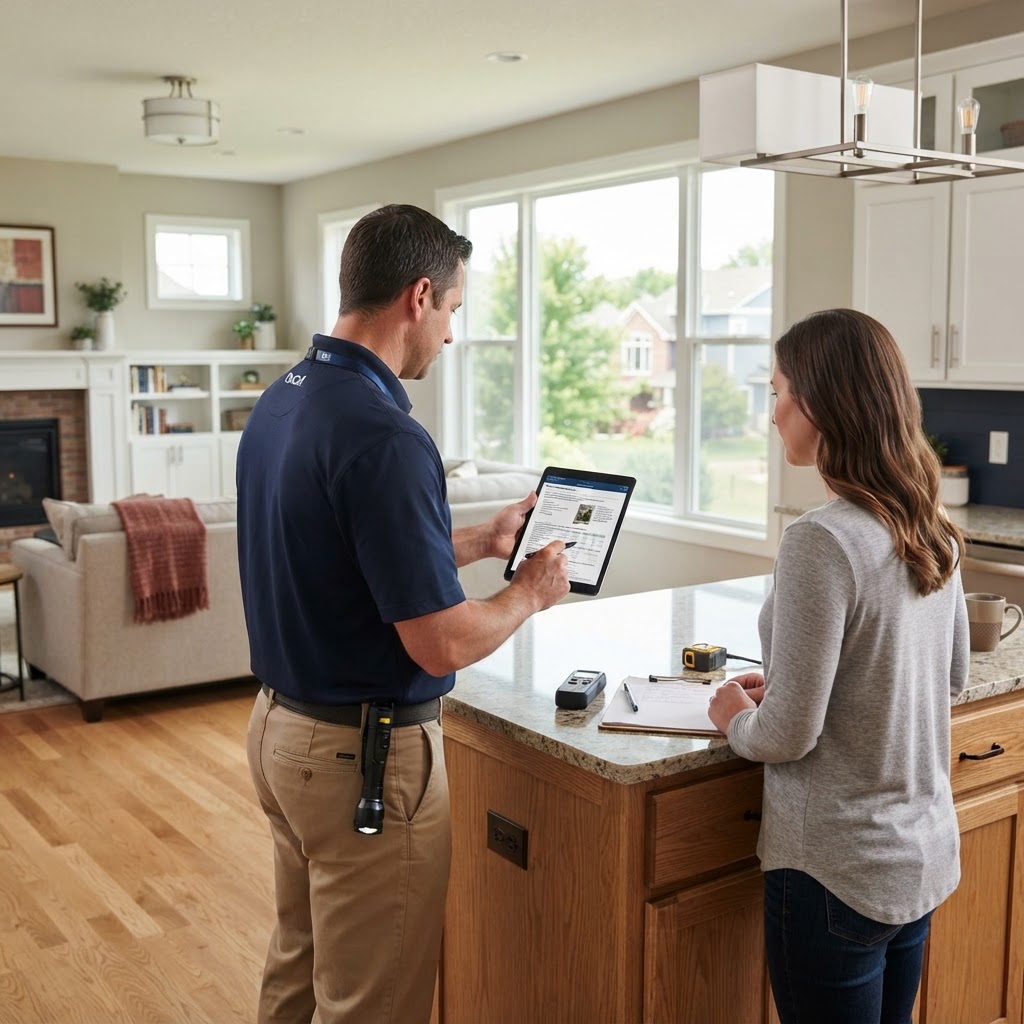
Buyers often forgo repair requests if they sense the home is well-maintained and you are transparent. A professional pre-listing inspection acts as a disclosure tool to show buyers you have nothing to hide. Placing this report alongside your disclosures resets the terms of negotiation.
Put Fear Items to Rest
Focus your budget on high-impact items that scare buyers, such as roofing in poor shape, active water leaks, or electrical panel issues. Addressing these before you list allows you to control the cost and quality of the repair on your own time.
Receipts and Documentation
Words are not enough in a real estate transaction. Create a file of repairs for buyers to review, including photos and invoices from licensed contractors. This documentation makes a case for you being a conscientious owner.
Be Upfront
Transparent communication is effective risk management. If you have an older HVAC system, have a technician put its condition in writing. Giving the buyer a complete story about the home reduces their desire to hunt for hidden flaws.
What people ask
Is disclosure of pre-listing findings mandatory?
Minnesota law requires you to put known material facts about the home condition on the table. A pre-listing inspection gives you the clarity to do so accurately.
Could a pre-listing inspection put a damper on my sale?
It protects your sale. It prevents a buyer from unearthing issues during due diligence and avoids the panic that can ensue at the eleventh hour.
Does it mean the buyer need not inspect?
They will likely want their own inspection. However, with little new to find, they lose the ability to use the report to force a price reduction.
How do I get in touch with OnCall Home Inspections?
There are a few ways to reach us. You can look over our website, book an inspection online, or send a message through our contact page. The fastest way is to call or text us at (763) 225-1250. Someone from OnCall Inspections will help you pick the right inspection, check our schedule, and answer any questions about your report.
To put an end to uncertainty and safeguard your sale price, get in touch with OnCall Home Inspections to book your pre-listing inspection.
Inspections are visual and non-invasive, limited to accessible areas at the time of the inspection. Findings reflect observed conditions and are not a guarantee of future performance or full code compliance.
Have a question? Call or text us.
Our team can help you pick the right inspection, check scheduling, or answer questions about your report. One call covers your whole transaction.